
Propagation
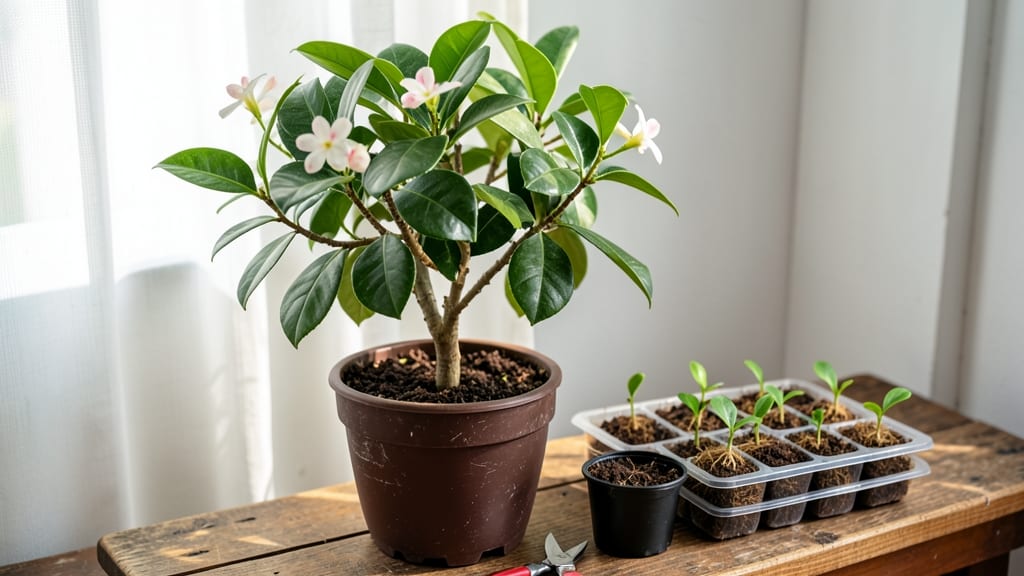
Growing a tangerine tree from seeds means sweet rewards in 5-10 years. 🌱 I’ve started three from grocery-store seeds—two survived, and now they’re thriving in pots. The key is patience and a few simple tricks that skip the nursery price tag.
You’ll need just three supplies: a ripe tangerine, a shallow tray, and a sunny windowsill. The seeds germinate best in warm, moist conditions, so we’ll create a mini greenhouse effect. Most people give up too soon—seeds can take 2-4 weeks to crack through the soil.
Once sprouted, your seedlings will need bright light and occasional watering. They’ll grow slowly at first, but with consistent care, you’ll have a 3-4 foot tree by year three. The first tiny fruits might take a decade, but the journey is worth it.
This method works for any citrus seed—try it with oranges or lemons too. Here’s how to get those first green leaves without the guesswork.
📚 In This Guide
- What you need
- Instructions
- Tips and common mistakes
- Wrapping up and next steps
What you need
- ● Tangerine seeds: 3–5 fresh, plump seeds (harvested from organic tangerines for best results).
- ● Small pots or seed trays: 2–3 (4–6 inches in diameter) with drainage holes.
- ● Well-draining potting mix: A blend of peat moss, perlite, and sand (or a citrus-specific mix).
- ● Spray bottle: For gentle watering (avoids disturbing seeds).
- ● Plastic wrap or humidity dome: To retain moisture during germination.
- ● Grow lights or sunny windowsill: A spot with 6–8 hours of indirect light daily.
- ○ Fertilizer (optional): A balanced citrus fertilizer (e.g., 6-6-6 NPK) for young seedlings.
- ● Heating mat: Speeds up germination (keeps soil at 70–80°F).
- ● Humidifier: Maintains ideal humidity levels for tender seedlings.
- ● Larger nursery pot: For transplanting once seedlings are 6+ inches tall.
- ● Citrus tree support: A small stake or trellis for young trees (as they grow).
How to grow a tangerine tree from seeds: step-by-step citrus cultivation
Here's the simple method I've used to grow healthy tangerine seedlings—no fancy equipment needed.
🌱 Step 1: Extract and Prepare the Seeds
Start with fresh tangerines—older seeds germinate poorly. Cut the fruit in half and scoop out the seeds, removing any remaining fruit pulp. Rinse them thoroughly under cool water to remove all citrus residue, which can inhibit germination. Spread the seeds on a paper towel to air-dry for 24 hours at room temperature.
Once dry, place them in a small container with lukewarm water for 24-48 hours. This softens the seed coat and speeds up germination. You'll know they're ready when the outer membrane starts to loosen slightly—don't let them soak longer, or they'll rot.
🪴 Step 2: Plant the Seeds in a Moist Growing Medium
Use a sterile seed-starting mix (never garden soil) in small pots or a seed tray. Fill containers to 1 inch below the rim, leaving room for watering. Moisten the mix until it feels damp like a wrung-out sponge—too soggy and roots suffocate, too dry and seeds won't sprout.
Plant 2-3 seeds per pot at a depth of ½ inch, pressing lightly to ensure good soil contact. Cover with a thin layer of additional mix, just enough to hide the seeds. Label each pot with the date—germination timing varies, and you'll want to track progress.
💧 Step 3: Provide Warmth and Consistent Moisture
Place the pots in a warm location with 70-80°F temperatures—a sunny windowsill or under a grow light works well. Keep the soil evenly moist but never waterlogged; use a spray bottle to mist the surface daily until germination occurs. A clear plastic dome or plastic wrap helps retain humidity.
Germination typically takes 2-4 weeks, but some seeds may take longer. Once sprouts appear, remove the cover immediately to prevent fungal growth. You'll see tiny green leaves emerge first—these are the cotyledons, the plant's first true foliage.
☀️ Step 4: Transplant and Care for Young Seedlings
When seedlings reach 3-4 inches tall with 4-5 true leaves, transplant them into 4-inch pots with fresh potting mix. Handle the roots gently to avoid damage. Place each seedling 1 inch deeper than it grew in the starter pot—this stabilizes the stem and encourages a stronger root system.
Move the pots to a bright, indirect light area, gradually introducing them to direct sunlight over 1-2 weeks. Water when the top inch of soil feels dry, using room-temperature water to avoid shocking the roots. Fertilize lightly with a balanced citrus fertilizer every 4-6 weeks once established.
Tips & tricks for growing tangerine trees from seeds
Here's what nobody tells you about those tiny seeds that could turn into your own citrus harvest.
Seed Selection: Choose seeds from fully ripe, plump tangerines—they're more likely to germinate successfully. I've found that seeds from organic tangerines often perform better, possibly due to fewer chemical residues. If you're working with store-bought fruit, rinse the seeds extra thoroughly to remove any wax coatings that might inhibit germination.
Germination Environment: The 24-48 hour soaking period is your chance to create the perfect conditions. Use a container with just enough lukewarm water to cover the seeds—about 1 inch deep. Place it in a warm spot (70-80°F) away from direct sunlight. I've had best results using a small glass jar with a loose lid to allow some air circulation while maintaining humidity.
Transplanting Timing: Don't rush the transplant to 4-inch pots! Wait until you see those true leaves (the second set after the initial cotyledons) before moving your seedlings. This usually happens around the 3-4 inch mark, but some may take longer. The extra time in starter pots gives roots a chance to establish properly, making your tangerine trees more resilient later on.
Light Management: When introducing seedlings to direct sunlight, do it gradually over 1-2 weeks to prevent sunburn. I start with just 1-2 hours of morning sun, then increase by 30 minutes each day. Watch for leaves that look pale or have brown patches—this is your signal to slow down the transition. A south-facing window is ideal, but if you're using artificial light, keep it 2-3 inches above the seedlings for the first week.
Pro Tips for Grow Tangerine Tree From Seeds
- Here's what nobody tells you about those tiny seeds that could turn into your own citrus harvest.
- Seed Selection: Choose seeds from fully ripe, plump tangerines—they're more likely to germinate successfully.
- Germination Environment: The 24-48 hour soaking period is your chance to create the perfect conditions.
Frequently asked questions
Got questions about growing tangerine trees from seeds? You’re not alone! Here are some of the most common concerns—and their answers—to help you grow with confidence.
How long does it take for a tangerine seed to sprout?
With the right conditions (warmth, moisture, and patience), tangerine seeds typically sprout in 10–21 days. Keep the soil consistently damp and place the pot in a bright, indirect light spot. If you don’t see sprouts after 3 weeks, gently check for mold or rot—adjust moisture or aeration if needed.
Will a tangerine tree grown from seed produce fruit?
Yes, but it may take 5–10 years (or longer) for a seed-grown tangerine tree to bear fruit. The fruit may also differ from the parent tree in size, flavor, or color. For faster, more predictable results, consider grafting onto a rootstock or buying a young tree from a nursery.
What’s the best temperature for germinating tangerine seeds?
Tangerine seeds thrive in 70–85°F (21–29°C) for germination. Use a seedling heat mat if your home runs cooler, or place the pot near a sunny window. Avoid extreme heat or cold drafts—consistent warmth speeds up sprouting and prevents stress.
Can I grow a tangerine tree indoors?
Start seeds indoors in a pot with drainage, then move the young tree outside once it’s sturdy (after the last frost). Use a 10–12 hour daylight bulb in winter to mimic sunlight. Just ensure it gets plenty of light—citrus trees need 6+ hours of sun daily to thrive.
Why are my tangerine seedlings turning yellow or wilting?
Yellowing leaves often signal overwatering or nutrient deficiency. Let the top inch of soil dry out between waterings, and use a balanced citrus fertilizer (like 6-6-6) every 2–3 months. Wilting can also mean underwatering or root rot—check for soggy soil and adjust care accordingly.
Wrapping up and next steps
Growing a tangerine tree from seeds is a rewarding journey that connects you to nature’s sweet bounty—and it’s easier than you think! 🌱 With patience, the right conditions, and a little care, you’ll soon enjoy fresh, homegrown citrus.
Once your sapling thrives, consider transplanting it to a sunny spot in your garden or a spacious pot to watch it flourish into a fruit-bearing tree.
Ready to take the next step? Start small: gather seeds, prepare your soil, and nurture your first seedling. Who knows? You might just grow a tree that becomes the star of your backyard—or even a family heirloom! 🍊✨