
Propagation
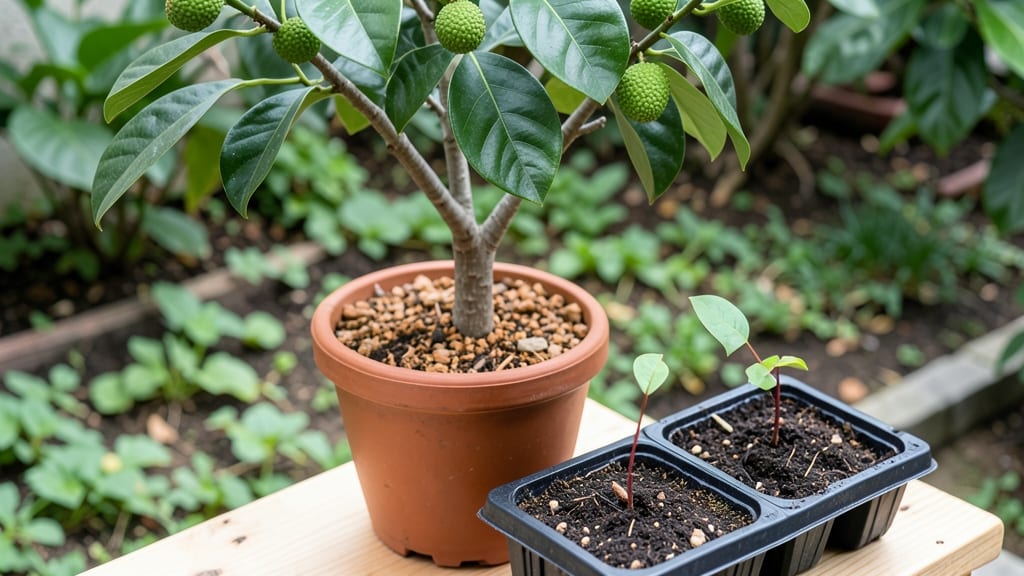
Growing lychee fruit from seed is like nurturing a tiny tropical dream—one that takes patience and the right conditions to bear fruit. 🌱 I’ve started dozens of seeds, and the ones that make it through the slow germination phase reward you with glossy leaves and, eventually, those sweet, aromatic fruits you crave.
The key isn’t just planting; it’s creating a microclimate that mimics the lychee’s natural tropical home.
You’ll need a warm spot (70–85°F), high humidity, and a well-draining potting mix to start. Most seeds take 4–12 weeks to sprout, and the seedlings grow painfully slow at first—think 6 inches in a year, not overnight.
But once they hit 2–3 feet, they’ll start putting on growth spurts, and that’s when the magic begins. The real challenge? Keeping them alive long enough to fruit, which can take 5–10 years—so this is a marathon, not a sprint.
By the time your lychee tree hits 3–5 years, you might see flowers (and maybe fruit) if you’re in a warm climate like Florida or Hawaii. In cooler zones, you’ll need to overwinter it indoors or risk losing it to frost.
The payoff? A tree that smells like summer in your backyard, even if it’s just a container on your patio. Here’s how to set it up without killing it before it even starts growing.
Fair warning: most homegrown lychees won’t taste as good as store-bought—they’re more about the experience than the harvest. But there’s something deeply satisfying about growing a fruit tree from a seed you saved from a grocery store purchase. Ready to give it a shot?
📚 In This Guide
- What you need
- Instructions
- Tips and common mistakes
- Wrapping up and next steps
What you need
- ● Lychee seed: 1 fresh, firm seed (harvested from a ripe lychee fruit—no soft or shriveled seeds!)
- ● Potting mix: 1 bag (5-10 lbs) of well-draining cactus/succulent mix (or 60% peat moss + 40% perlite/pumice)
- ○ Optional: Add 1 tbsp of mycorrhizal fungi to boost root health.
- ● Containers: 1 small seedling pot (3-4 inches wide) for germination.
- ● 1 5-gallon grow bag or larger pot (12+ inches deep) for transplanting (once roots develop).
- ● Tools: 1 sterilized knife or scissors (for seed prep).
- ● 1 spray bottle (for gentle watering).
- ● 1 humidity dome or plastic wrap (to retain moisture).
- ○ 1 pH tester (optional but helpful—lychees prefer pH 5.5–6.5).
- ● Warmth: Consistent temperatures between 70–90°F (21–32°C)—lychee seeds hate cold drafts!
- ● Humidity: Aim for 60–80% humidity (use a humidifier or pebble tray if needed).
- ● Light: Bright, indirect light (a south-facing window or grow lights work best).
- ● Patience: Germination can take 2–6 months—stay consistent!
Step-by-step instructions for growing lychee trees from seed
Here's how to turn a single lychee seed into a thriving young tree—patio-ready in under a year.
🌱 Step 1: Extract and Prepare the Seed
Start with a fresh lychee fruit—never dried or stored seeds. Crack open the pit and remove the dark brown seed inside. Rinse it under running water to remove any remaining fruit residue. The seed's outer shell is tough, so soak it in warm water for 24 hours to soften the coating. This step is crucial because lychee seeds have a hard outer layer that slows germination.
After soaking, gently rub the seed between two pieces of sandpaper or a clean towel to scratch the surface lightly. This breaks the seed's dormancy and signals it's time to sprout. Place the prepared seed between two damp paper towels, fold them over, and store in a sealed plastic bag. Keep it in a warm spot (75-85°F) and check daily—you'll see tiny roots emerge in 1-3 weeks.
🪴 Step 2: Plant the Germinated Seed
Once the seed sprouts a ½-inch root, it's ready for soil. Fill a 4-inch diameter pot with a mix of 50% potting soil and 50% perlite for excellent drainage. Lychee trees hate soggy roots, so this blend prevents rot. Make a small hole in the center, about 1 inch deep, and place the seed with the root pointing downward.
Cover it with soil, pressing gently but not compacting. Water lightly until the soil feels moist but not wet. Place the pot in a warm, bright spot with indirect sunlight—direct sun at this stage can scorch the delicate young shoot. Keep the soil consistently moist (not soggy) by watering when the top inch feels dry. You'll see the first true leaves appear in 2-4 weeks.
☀️ Step 3: Provide Ideal Growing Conditions
Lychee trees thrive in warmth and humidity, so move the seedling to a location with 70-85°F temperatures and 60%+ humidity. If your home is dry, place a humidity tray (a shallow tray filled with water and pebbles) under the pot. Mist the leaves lightly every few days to mimic tropical conditions.
After the first set of true leaves appears, gradually introduce morning sunlight for 2-3 hours daily. Over 4-6 weeks, increase sunlight exposure until the seedling gets 6+ hours of bright, indirect light. Avoid cold drafts—lychee trees are tropical and won't tolerate temperatures below 50°F. If you notice yellowing leaves, it's a sign of overwatering or cold stress.
✂️ Step 4: Prune and Repot for Growth
When the seedling reaches 6-8 inches tall (usually after 3-4 months), it's time to prune and repot. Use clean, sharp scissors to trim any leggy growth or crowded stems, cutting just above a leaf node. This encourages bushier growth. Repot into a 6-inch diameter container with fresh well-draining potting mix.
After repotting, reduce watering slightly—let the top inch of soil dry out between waterings. Fertilize lightly with a balanced liquid fertilizer (10-10-10) every 4-6 weeks during the growing season. Avoid over-fertilizing, which can burn young roots. By 6 months, your lychee tree should be sturdy enough to handle outdoor conditions in a sheltered, warm spot.
🌿 Step 5: Transition to Outdoor Care (Optional)
If you live in a USDA Zone 10-11 (or similar tropical climate), you can move the potted tree outdoors after the last frost. Choose a location with partial shade and protection from wind. Harden off the plant by placing it outside for 1-2 hours daily over 1 week, gradually increasing time. Water deeply once a week, ensuring the soil stays moist but not waterlogged.
Lychee trees grown from seed may take 5-10 years to bear fruit, but the journey is rewarding. Keep the soil moist, provide warmth, and protect from cold drafts. If you notice slow growth, check for pests like spider mites or scale insects—treat with neem oil if needed. With patience, your seedling will grow into a beautiful tropical tree!
Tips & tricks for growing lychee trees from seed
Growing a lychee tree from seed is all about patience and creating the right conditions—here's how to set yourself up for success.
Seed Preparation Matters: Don't rush the 24-hour warm water soak—this is non-negotiable for breaking through that tough outer shell. I've tried skipping it, and germination takes twice as long. After soaking, the sandpaper rub is key: just enough to scratch the surface, not sand it down completely. Think of it like giving the seed a gentle wake-up call.
Temperature Control: Those 75-85°F germination temps are critical—any cooler and your seed might just sit there. Place your sealed bag near a warm spot like on top of the fridge (not inside) or under a heat lamp. If your home stays below 70°F, consider using a seedling heat mat for consistent warmth. Remember, lychee seeds are tropical—they won't tolerate cold drafts.
Light Transition Strategy: When you're gradually increasing sunlight in Step 3, start with just 2-3 hours of morning sun. Direct midday sun can scorch those delicate leaves, especially in the early weeks. I've seen seedlings with crispy edges from too much sun too soon—trust the process. After 4-6 weeks, you can safely move to full indirect light for 6+ hours daily.
Humidity Hack: If your home is dry, the humidity tray trick works wonders. Place pebbles in a shallow tray, add water, and set your pot on top (not in the water). The evaporation creates natural humidity around your seedling. For extra insurance, mist the leaves every few days with room-temperature water—just avoid getting water on the soil to prevent fungal issues.
Pro Tips for Grow Lychee Fruit From Seed
- Growing a lychee tree from seed is all about patience and creating the right conditions—here's how to set yourself up for success.
- Seed Preparation Matters: Don't rush the 24-hour warm water soak—this is non-negotiable for breaking through that tough outer shell.
- Temperature Control: Those 75-85°F germination temps are critical—any cooler and your seed might just sit there.
Frequently asked questions
Got questions about growing lychee from seed? Here are some of the most common ones—and their answers—to help you succeed!
How long does it take for a lychee seed to sprout?
A lychee seed typically sprouts within 2–4 weeks if kept in warm, moist conditions. If you’ve planted yours and haven’t seen signs of life after 6 weeks, gently check for mold or rot—you may need to replant. Patience is key, as tropical seeds can be slow starters!
Will a lychee tree grown from seed produce fruit?
Yes—but it’ll take 5–10 years (or longer) for a seed-grown lychee to bear fruit. Seedlings may not match the quality or yield of grafted trees, but with proper care, you can get edible lychees. For faster results, consider grafting later!
What’s the best temperature for growing lychee from seed?
Lychee seeds thrive in 70–90°F (21–32°C) soil temperatures. If your climate dips below 50°F (10°C), start seeds indoors under grow lights or use a heat mat. Young seedlings are sensitive to cold—keep them cozy until they’re established!
Can I grow lychee from seed in a pot?
Start in a 5–7 gallon pot with drainage holes and well-draining soil. Use a mix of potting soil and perlite. Once the tree reaches 3–4 feet tall, transplant it to the ground (if in a warm climate) or keep it in a large container. Just ensure it gets full sun!
Why is my lychee seedling turning yellow or wilting?
Yellow leaves often signal overwatering or nutrient deficiency. Check soil moisture—lychee roots hate soggy conditions. Wilting could mean underwatering or heat stress. Adjust watering (keep soil evenly moist but not soggy) and ensure good airflow to prevent fungal issues.
Wrapping up and next steps
Growing lychee fruit from seed is a rewarding journey that connects you to the tropics—even if you’re just starting!
With patience, the right conditions, and a little care, you can nurture a young sapling into a thriving tree. Celebrate each small victory, like your first true leaves or successful transplant, and remember: every expert gardener began with a single seed.
Ready to take the next step? Research local climate zones to ensure your young lychee thrives long-term, or explore grafting techniques to speed up fruiting. Your tropical oasis is just sprouting—keep nurturing it! 🌱✨