
Size
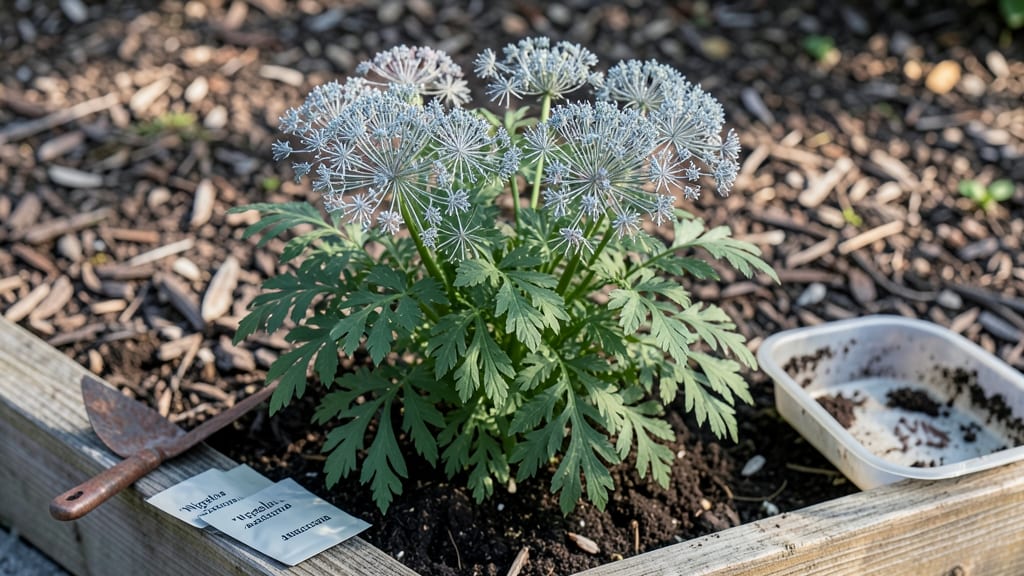
Growing black seed starts with a secret most seed packets don’t tell you: soak them overnight for faster germination and bushier plants. 🌱 I’ve tried planting these tiny seeds dry, and they take forever—sometimes weeks—to sprout.
But after soaking in warm water for 12 hours, mine pop up in just 3-5 days, ready to grow into lush, fragrant plants. The key to success is light, well-draining soil mixed with compost.
Black seeds thrive in full sun but tolerate partial shade, making them perfect for containers or garden edges. Keep the soil lightly moist—never soggy—and space seedlings 6-12 inches apart to give them room to spread. They’re hardy, drought-tolerant once established, and even deer usually leave them alone.
By mid-summer, you’ll have feathery foliage and delicate blue flowers that dry into seed pods packed with tiny black seeds. These aren’t just for planting—they’re prized for their earthy, slightly spicy flavor in teas, breads, or as a health tonic. The best part?
One plant produces enough seeds to last multiple seasons. For fast, bushy plants, avoid overcrowding and harvest seeds when the pods turn brown and papery. Store them in a cool, dark place for next year’s crop.
Trust me, once you try this method, you’ll never plant black seeds the old way again.
📚 In This Guide
- What you need
- Instructions
- Tips and common mistakes
- Wrapping up and next steps
What you need
- ● Black seed (Nigella sativa) seeds – 1–2 teaspoons (about 10–20 seeds) for a small pot or 1–2 tablespoons for direct sowing in the garden.
- ● Seed-starting trays or small pots – 2–4 inches deep, with drainage holes (biodegradable pots are eco-friendly!).
- ○ High-quality potting mix – Lightweight, well-draining soil (avoid heavy clay-based mixes). Optional: Mix in perlite or vermiculite (20%) for extra aeration.
- ● Watering can or spray bottle – A gentle spray helps avoid disturbing seeds during germination.
- ● Clear plastic dome or plastic wrap – To create a mini greenhouse effect and retain moisture.
- ● Grow lights or sunny windowsill – A south-facing window (6+ hours of sunlight) or a grow light (12–16 hours/day) for indoor starts.
- ○ Seedling heating mat (optional) – Keeps soil warm (70–75°F) to speed up germination.
- ● Fertilizer – A balanced, water-soluble fertilizer (5-5-5 or 10-10-10) diluted to half-strength for young seedlings.
- ● Tweezers or small spoon – For carefully placing tiny seeds.
- ● Garden twine or labels – To mark pots or garden beds (black seed is easy to confuse with other tiny seeds!).
- ● Outdoor space or large container – If transplanting, a garden bed or container at least 12 inches deep and wide.
- ● Pruning shears – For harvesting mature seed pods (if saving seeds for next year!).
Step-by-step instructions for germinating black seed
Here's how to unlock rapid germination and vigorous growth for your black seed plants.
🌱 Step 1: Prepare the Seeds for Maximum Germination
Black seed needs a little prep to break its hard outer shell. Soak the seeds in lukewarm water for 12-24 hours—this softens the tough coating and speeds up germination. I use a small bowl and let them sit on my counter overnight, giving them a gentle stir every few hours to prevent mold.
After soaking, drain the water completely and spread the seeds on a paper towel. Fold the towel to cover them lightly, then place it in a warm, dark spot like your oven with the light off (set to 75°F). Check daily for moisture—if the towel feels dry, mist it lightly with water. You'll see tiny cracks in the seed shells after 24-48 hours—that's your signal they're ready to plant.
💧 Step 2: Plant in Warm, Moist Soil
Fill small pots or a seed tray with well-draining potting mix—black seed hates soggy soil. Press the mix down lightly so it's firm but not compacted. Plant the prepped seeds ¼ inch deep, spacing them 1 inch apart in rows. I like to use a toothpick to make small holes—it's precise and prevents overcrowding.
Water gently with a spray bottle until the soil is evenly moist but not wet. Cover the tray with plastic wrap or a humidity dome to trap warmth and moisture. Place it in a warm spot (70-80°F)—a seedling heat mat works wonders if you have one. Germination should begin in 3-7 days, with seedlings popping through the soil like tiny green rockets.
☀️ Step 3: Provide Light and Airflow for Strong Starts
The moment you see the first green shoots, remove the plastic cover immediately. Black seed seedlings need bright light from day one—place them under a grow light or in the sunniest window you have. Without enough light, they'll stretch toward any source, becoming weak and leggy. You'll know they're getting the right amount when they stand up straight with dark green leaves.
Once the seedlings have 2-3 true leaves (not the first tiny cotyledons), thin them to 1 plant per pot. Use clean scissors to snip the extras at soil level—pulling can disturb the roots of the remaining plants. Keep the soil lightly moist, watering only when the top inch feels dry to the touch. Overwatering now leads to damping-off, a fungal disease that collapses seedlings overnight.
🌿 Step 4: Transplant and Encourage Bushy Growth
When seedlings are 3-4 inches tall with a sturdy stem, it's time to transplant them into larger containers or the garden. Harden them off first by placing them outside in a shaded spot for 1-2 hours daily, gradually increasing time over 7-10 days. This toughens their skin so they don't get shocked by full sun.
Black seed thrives in full sun (6+ hours daily), but young plants need to ease into it. Start with 3-4 hours of morning sun, then slowly add afternoon exposure. Pinch off the tips of the main stems when they're 6 inches tall—this forces the plant to branch out, creating a bushier, more productive plant. You'll see new side shoots forming within a week of pinching.
Tips & tricks for germinating black seed
Here's what nobody tells you about getting those first green shoots to pop through faster—and keeping them strong.
Soaking Secret: The 12-24 hour soak is your first chance to speed things up, but don't let the water get stagnant. I stir mine every 4-6 hours to keep oxygen circulating—this prevents mold from forming while the seeds soften. If you notice any fuzzy growth after 12 hours, drain and rinse immediately to stop it in its tracks.
Temperature Matters: That 75°F warm spot is critical during the 24-48 hour towel phase. If your kitchen runs cooler, prop your paper towel-covered seeds on top of your fridge (not inside!) for consistent warmth. I've seen germination times cut in half when using this trick—seeds sprout faster when they're not fighting chilly temperatures.
Light Timing: The moment those first shoots appear, remove the plastic cover immediately—waiting even 30 minutes can cause leggy seedlings that flop over. Place them under a grow light or in the sunniest window within minutes of seeing green. I keep mine on a timer for 14 hours of light daily, which prevents that classic "reaching" growth that makes plants weak.
Transplanting Wisdom: When hardening off your 3-4 inch seedlings, start with just 1-2 hours in the shade on day one. The gradual increase over 7-10 days is what prevents shock—black seed plants are sensitive to sudden temperature swings. I've seen seedlings that got too much sun too soon wilt dramatically, even when they looked sturdy before transplanting.
Pro Tips for Grow Black Seed
- Here's what nobody tells you about getting those first green shoots to pop through faster—and keeping them strong.
- Soaking Secret: The 12-24 hour soak is your first chance to speed things up, but don't let the water get stagnant.
- Temperature Matters: That 75°F warm spot is critical during the 24-48 hour towel phase.
Frequently asked questions
Got questions about growing black seed? You’re not alone! Here are some of the most common concerns—and their answers—to help you cultivate a thriving crop with confidence.
How long does it take for black seed to germinate?
Black seed (Nigella sativa) typically germinates in 7–14 days under ideal conditions (warmth, moisture, and indirect light). For faster results, soak seeds overnight before planting or use a heat mat to speed up the process. Patience is key—don’t disturb the soil while waiting!
When is the best time to plant black seed outdoors?
Plant black seed seeds 2–3 weeks after your last frost date in spring or directly sow in late summer for a fall harvest. They thrive in cool weather (60–75°F) and can even tolerate light frosts. Avoid planting in extreme heat, as it may slow germination.
Can I grow black seed indoors?
Yes! Start seeds indoors 6–8 weeks before the last frost using small pots or trays. Keep them in a sunny window or under grow lights until seedlings develop 2–3 sets of leaves, then transplant outdoors. Just be gentle—black seed seedlings are delicate at first!
What should I do if my black seed plants aren’t growing?
Troubleshoot with these steps:
- Check moisture: Soil should stay consistently damp (not soggy). Water at the base to avoid fungal issues.
- Verify sunlight: Black seed needs 6–8 hours of sun daily. If indoors, supplement with grow lights.
- Test soil: They prefer well-draining, slightly alkaline soil (pH 6.0–7.5). Amend heavy clay with compost.
- Thin seedlings: Overcrowding stresses plants. Space them 12–18 inches apart once they’re 2–3 inches tall.
Are there any alternatives to planting black seed seeds?
If you’re short on time or seeds, try these options:
- Transplant seedlings: Buy young black seed plants from nurseries (check local availability in spring).
- Use saved seeds: Dry and store seeds from your harvest for next year’s crop.
- Grow companion plants: Black seed pairs well with tomatoes, cucumbers, and cabbage. Plant them together for natural pest control!
Wrapping up and next steps
Growing black seeds (Nigella sativa) is a rewarding journey that yields fast-growing, bushy plants with stunning blooms and valuable health benefits. By following the right germination techniques, providing adequate sunlight, and maintaining consistent moisture, you’ll unlock their full potential—whether for culinary, medicinal, or ornamental use. 🌱
Now that you’re armed with the secrets, roll up your sleeves and start sowing! Share your progress with fellow gardeners or experiment with different growing conditions to refine your approach. Happy planting—your future black seed harvest awaits! 🌟