
Propagation
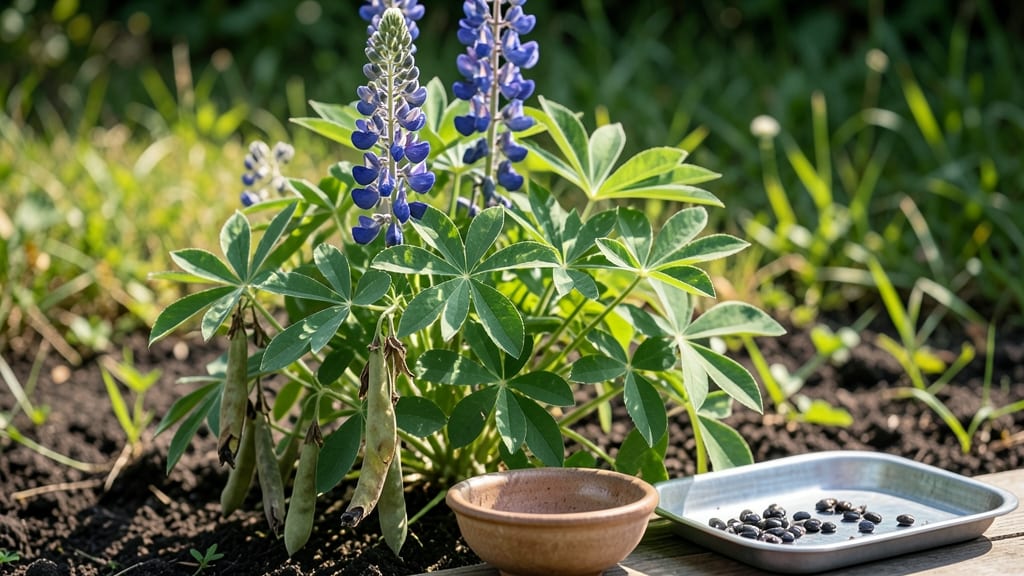
Collecting lupin seeds means turning last year’s spent blooms into next season’s showstoppers—without the frustrating seed pod twists that waste half your harvest. 🌱 I’ve battled those stubborn lupin pods for years, and once I learned the right timing and technique, I never bought seeds again.
The key is patience and knowing exactly when those pods are ready to release their treasure.
You’ll need just three things: a pair of sharp pruners, a clean paper bag, and a sunny spot to dry your seeds. The real magic happens in late summer when the pods turn from green to a deep, papery brown—that’s when they’re ready.
Harvesting too early means immature seeds that won’t sprout, while waiting too long risks the pods splitting open on their own (and scattering seeds everywhere).
Once you’ve collected them, spread the seeds on a tray in a dry, well-ventilated area for 1-2 weeks. They’re ready when they’re hard to the touch and rattling inside the pod.
Store them in an airtight container in a cool, dark place, and you’ll have seeds that stay viable for 3-5 years. No more buying expensive packets—just pure, zero-waste gardening.
Pro tip: If you’re growing lupins in containers, place the tray under the plants to catch any stray pods that split open naturally. This method has saved me hundreds of dollars over the years and ensures I always have fresh lupins for my pollinator-friendly garden.
Ready to turn those empty stems into next year’s star performers?
📚 In This Guide
- What you need
- Instructions
- Tips and common mistakes
- Wrapping up and next steps
What you need
- ● Lupin plants: Mature, healthy plants with fully developed seed pods (typically 6–12 months old, depending on the variety). Aim for at least 3–5 plants for a decent yield.
- ● Pruning shears or sharp scissors: 1 pair with clean, sterilized blades (disinfect with rubbing alcohol) to avoid spreading disease.
- ● Paper bags or breathable fabric sacks: 3–5 medium-sized (12x16 inches) to collect pods without crushing them.
- ● Tray or flat surface: A large baking sheet or cardboard tray lined with newspaper or parchment paper for drying pods.
- ● Fine-mesh sieve or colander: 1 with small holes (¼ inch or less) to separate seeds from chaff.
- ● Air-tight containers: 2–3 small jars or resealable bags (1 quart size) with silica gel packets or uncooked rice for moisture control.
- ● Labeling supplies: Masking tape + marker to tag containers with the harvest date and variety.
- ● Gloves: 1 pair (nitrile or cotton) to protect hands from prickly pods or sap.
- ● Desiccant packs: Extra 2–3 silica gel packets for long-term seed storage.
- ● Seed viability tester: A simple float test kit (or a glass of water) to check seed quality before planting.
- ● Notebook: For tracking pod maturity, weather conditions, or seed germination notes.
- ● Sun lamp or dehydrator: If your climate is humid, a small dehydrator or grow light speeds up drying.
Step-by-Step guide to harvesting lupin seeds without twisted pods
Lupins produce stunning flowers and edible seeds—but the pods twist when dry, making harvest tricky. Here's my foolproof method.
🌱 Step 1: Wait Until Pods Turn Golden Brown
Harvest lupin seeds only when pods turn a rich, golden brown color. This usually happens 8-10 weeks after flowering, but check daily during the last week—they dry out fast. Gently squeeze a pod: if it feels firm and rattles when shaken, it's ready. If it's still green or soft, wait another 2-3 days.
Real talk: Overripe pods split open, spilling seeds everywhere. I always harvest a few pods early to test ripeness. If seeds inside are dark and firm, the whole plant is ready. If they're still pale or crunchy, give it more time.
💧 Step 2: Cut Pods Before They Twist Shut
Lupin pods twist dramatically when dry, sealing shut and making seeds impossible to extract. To prevent this, cut pods when they're 80% dry—just as they start turning brown but before they harden completely. Use clean scissors or pruners to snip the entire pod from the stem, leaving a short stem attachment.
Here's the thing—don't pull pods off by hand. The stem connection is fragile, and you'll often snap it, leaving the pod behind. Instead, make a clean cut about ½ inch below the pod. Place cut pods in a paper bag immediately to prevent seed loss from any that may already be loose.
☀️ Step 3: Dry Pods in a Warm, Airy Space
Spread the cut pods on a clean, dry towel in a spot with indirect sunlight and good airflow. A kitchen counter near an open window works well, but avoid direct sun—it can overheat pods and cause them to crack prematurely. Keep them out of humid areas like bathrooms.
Turn pods daily to ensure even drying. They're ready when completely dry and brittle—squeeze gently, and they should crumble slightly. This usually takes 3-5 days, depending on your climate. If your home is dry, they may finish in 24 hours.
✂️ Step 4: Extract Seeds Without Breaking Pods
Once fully dry, place a pod on a cutting board and gently tap it with a small hammer or rolling pin until it splits open. Wear gloves—lupin seeds can irritate skin. Empty the seeds into a bowl, then crush the empty pod between your fingers to release any remaining seeds.
Don't rush this step. If you force open a pod too quickly, you'll crush the seeds inside. I like to work in small batches, processing just a handful at a time. Store seeds in a paper envelope in a cool, dark place—they'll keep for 2-3 years.
🌿 Step 5: Clean and Store for Future Planting
Remove any debris or chaff from the seeds by sifting them through a fine-mesh strainer or by gently blowing on them. Discard any shriveled or discolored seeds—they won't germinate well. For extra cleanliness, spread seeds on a baking sheet and let them air-dry for another 24 hours.
Label your seed packets with the variety and harvest date. Lupin seeds benefit from a cold stratification period—place them in the fridge for 4-6 weeks before planting to improve germination rates. This mimics winter conditions and signals the seed it's time to sprout.
Tips & tricks for perfect lupin seed harvesting
These simple strategies will help you avoid the common pitfalls of lupin seed harvesting—and save you from the frustration of twisted pods.
Timing is Everything: In Step 1, when you're checking for that golden brown color, focus on the seed inside rather than just the pod's exterior. Cut open a test pod—if the seeds are dark and firm, the whole plant is ready. If they're still pale or crunchy, wait those extra 2-3 days. I've learned this the hard way after watching seeds dry out too long and lose viability. The 8-10 week window is ideal, but daily checks during the last week are crucial.
Tool Selection Matters: For Step 2, I recommend using sharp pruning shears instead of scissors. The clean cut prevents stem damage and makes the pods easier to handle later. If you don't have pruning shears, kitchen scissors work fine—just make sure they're sharp. Avoid pulling pods by hand, as you'll often snap the stem and lose the pod entirely. That ½-inch cut below the pod is key to keeping everything intact.
Drying Conditions: When drying pods in Step 3, pay attention to your environment. In humid climates, you might need up to 5 days for complete drying, while dry conditions can finish them in just 24 hours. I've had pods crack prematurely when left in direct sunlight, so always use indirect light. A kitchen counter near an open window works perfectly—just avoid placing them in humid areas like bathrooms where moisture can ruin your harvest.
Seed Extraction Technique: In Step 4, the gentle tapping method is crucial. I use a small wooden mallet instead of a hammer to avoid damaging the seeds. Work in small batches—processing just a handful at a time prevents seeds from getting crushed or scattered. Wear gloves as lupin seeds can irritate skin, and always empty seeds into a bowl immediately to prevent loss. That extra 24-hour air-dry in Step 5 ensures maximum seed viability before storage.
Pro Tips for Collect Lupin Seeds
- These simple strategies will help you avoid the common pitfalls of lupin seed harvesting—and save you from the frustration of twisted pods.
- Timing is Everything: In Step 1, when you're checking for that golden brown color, focus on the seed inside rather than just the pod's exterior.
- Tool Selection Matters: For Step 2, I recommend using sharp pruning shears instead of scissors.
Frequently asked questions
Got questions about collecting lupin seeds? You’re not alone! Here are answers to the most common queries to help you harvest like a pro.
When is the best time to collect lupin seeds?
The ideal time is when the seed pods turn papery-brown and split open naturally—usually late summer to early fall (August–October, depending on your climate). Harvest before birds or pests snatch them! If pods are still green, wait a few more days.
What if my lupin pods won’t open on their hand?
Don’t force it! If pods stay stubbornly closed, try drying them in a paper bag for 1–2 weeks in a warm, dry spot. Avoid heat sources—gentle airflow works best. Once brittle, they’ll crack open easily. Pro tip: Gently tap pods on a hard surface to encourage natural splitting.
Can I collect seeds from store-bought lupin flowers?
Unfortunately, no—most grocery-store lupins (like Lupinus albus) are hybridized for uniformity and won’t produce viable seeds. For seed collection, grow from heirloom or open-pollinated varieties (check seed catalogs!). If you’re set on lupins, try growing from seed first.
How do I keep birds/squirrels from eating my seeds?
Use fine mesh netting (like bird netting) over seed heads once pods mature but before they split. Secure it loosely to allow airflow. Alternatively, harvest pods early morning when critters are less active. A quick shake into a bucket can also deter them!
How should I store collected lupin seeds?
Clean seeds thoroughly, let them dry completely (1–2 weeks in a cool, dark place), then store in paper envelopes or breathable fabric bags in the fridge or freezer. Avoid plastic—it traps moisture and causes mold. Label with the variety and date! Seeds stay viable for 2–3 years if stored properly.
Bonus Tip:
If you’re new to seed saving, start with one lupin plant to test the process. Lupins are self-pollinating, so isolation isn’t critical—but avoid cross-pollination with nearby varieties if you want pure seeds.
Wrapping up and next steps
Collecting lupin seeds is a rewarding way to propagate these stunning perennials while embracing a zero-waste approach!
With the right tools—like gloves, scissors, and a dry storage spot—you’ll master the art of harvesting twist-free pods in no time. Pro tip: Patience and timing are key—wait for pods to turn brown and split naturally for the best results.
Now that you’re equipped with the know-how, give it a try! Start small with a few plants, experiment with drying methods, and soon you’ll be sharing seeds (or even seedlings) with fellow gardeners. Happy harvesting—your future lupin blooms will thank you! 🌱✨