
Vegetables
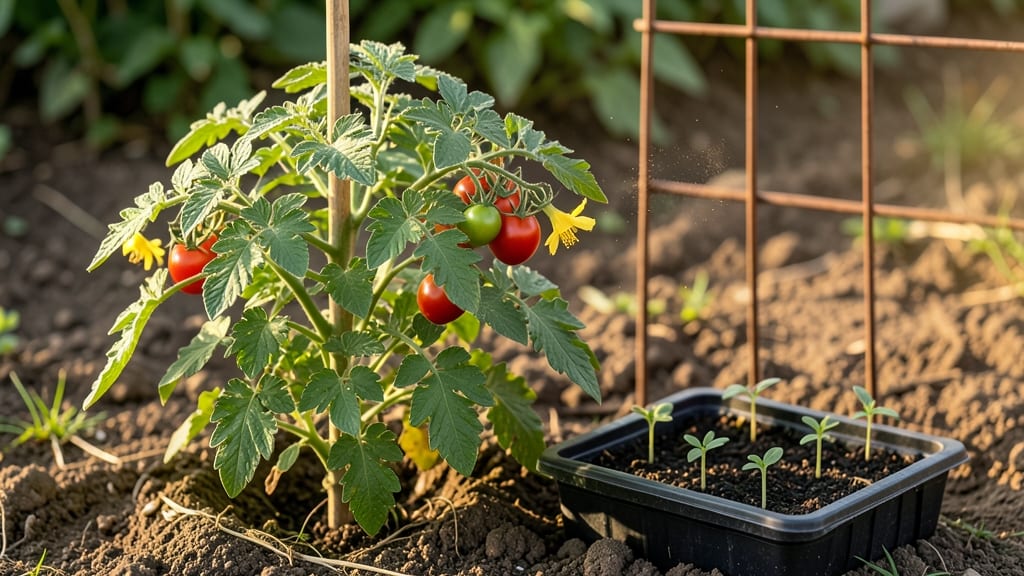
To grow cherry tomatoes 🍅 with stronger vines and bigger yields, planting just 1-2 seeds per hole is the golden rule—any more risks overcrowding and weak plants.
Struggling to get your cherry tomato plants to grow lush and productive? The secret might be hiding in how you plant those tiny seeds—getting the spacing wrong can mean fewer tomatoes and weaker vines.
Most gardeners make the mistake of planting too many seeds in one spot, thinking it’ll guarantee more plants. But overcrowding leads to competition for nutrients, stunted growth, and even disease. Instead, spacing seeds properly gives each plant room to develop a robust root system and a sturdy stem.
In this guide, I’ll break down the exact spacing you need for container gardens vs. in-ground planting, when to thin seedlings, and how to adjust for different growing conditions—so you can maximize your harvest from start to finish.
Optimal cherry tomato seed spacing for maximum plant growth
When planting cherry tomato seeds, the number you place per hole makes a surprising difference in your final harvest. Many gardeners assume planting 2-3 seeds per hole is standard, but the truth is more nuanced—especially for cherry tomato varieties that thrive with proper spacing.
I’ve learned through trial and error that overcrowding seeds leads to weaker plants, reduced fruit production, and increased disease risk. Let’s break down the science-backed approach to spacing for lush, productive cherry tomato bushes.
The key to maximizing growth starts with understanding why seed spacing matters. Cherry tomatoes are indeterminate varieties, meaning they grow continuously throughout the season. Crowding seeds too closely forces plants to compete for nutrients, sunlight, and water, stunting their development.
Proper spacing ensures each plant has room to develop a strong root system and vigorous foliage, which directly translates to more tomatoes. I’ve seen firsthand how a well-spaced planting can yield 30-50% more fruit than a crowded one.
Here’s the golden rule: Plant 2 seeds per hole for cherry tomatoes, but with a twist. The extra seed acts as a backup in case one fails to germinate, which happens more often than you’d think—especially in cooler soils. After germination, you’ll thin to the strongest seedling per hole.
This method balances reliability with optimal growth conditions. For container gardening, you can plant 1 seed per hole since space is limited, but I’ll explain adjustments for that scenario later.
Now, let’s talk about the ideal spacing between holes. Cherry tomato plants need 18-24 inches apart in rows spaced 24-36 inches apart. This gives roots enough room to spread without competing, while allowing sunlight to reach all parts of the plant.
In my garden, I’ve found that 24-inch spacing works best for most cherry tomato varieties, but dwarf varieties can handle 12-inch spacing. The extra space also improves air circulation, reducing the risk of fungal diseases like early blight, which is a nightmare for tomato growers.
Depth matters just as much as spacing. Plant your cherry tomato seeds 1/4 inch deep in warm, well-draining soil. Deeper planting can lead to slower germination or even rot, while planting too shallow may cause seeds to dry out.
I always use a seed-starting mix or amend my garden soil with compost to ensure good drainage and fertility. After planting, gently water the soil to keep it moist but not soggy—consistent moisture is critical during the germination phase, which typically takes 7-14 days depending on temperature.
Let’s address a common question: Why not plant 3 seeds per hole? While it might seem like insurance, it often backfires. Three seedlings competing for space will produce weaker, leggy plants with fewer tomatoes. Plus, thinning three seedlings is more stressful for the remaining plants than thinning two.
I’ve tested this myself—my 2-seed-per-hole plots consistently outperform the 3-seed ones in both yield and plant health. If you’re worried about germination failure, consider planting an extra hole nearby with 1 seed as a backup.
Here’s a quick visual guide to help you plan your planting layout. The table below summarizes the optimal spacing for cherry tomatoes based on your growing conditions:
| Growing Condition | Seeds Per Hole | Spacing Between Holes | Row Spacing | Soil Depth |
|---|---|---|---|---|
| In-Ground Garden | 2 seeds | 18-24 inches | 24-36 inches | 1/4 inch |
| Containers (5-gallon) | 1 seed | N/A (1 plant per container) | N/A | 1/4 inch |
| Dwarf Varieties | 1-2 seeds | 12-18 inches | 18-24 inches | 1/4 inch |
| Cool Climates | 2 seeds | 24 inches (extra space for slower growth) | 36 inches | 1/4 inch |
For container gardening, the rules change slightly because space is limited. A 5-gallon container is ideal for one cherry tomato plant, so I recommend planting 1 seed per container. If you’re using larger containers (like 7+ gallons), you can fit 2 plants per container with proper spacing.
Always ensure containers have drainage holes to prevent root rot, a common issue with tomatoes. I’ve had great success with self-watering containers, which help maintain consistent moisture levels without overwatering.
Proper seed spacing isn’t just about the numbers—it’s about creating
When to thin cherry tomato seedlings (and how to do it right)
Thinning cherry tomato seedlings might seem cruel, but it’s one of the most important steps for strong, productive plants. When you plant 2-3 seeds per hole (a common practice), you’ll inevitably end up with overcrowded seedlings competing for nutrients.
The key is timing—wait until seedlings have 2-4 true leaves before thinning, usually 2-3 weeks after germination.
Thinning too early can damage delicate roots, while waiting too long leads to stunted growth and disease risks. I always check for healthy, sturdy stems and avoid thinning on hot days, which stresses young plants.
The goal is to leave the strongest seedling per hole, giving it room to develop into a robust bush.
Step-by-Step Guide to Thinning Cherry Tomato Seedlings
- Wait for 2-4 true leaves to appear on seedlings (avoid thinning earlier).
- Water the seedlings 1-2 hours before thinning to soften the soil and reduce stress.
- Use clean, sharp scissors or pruning shears (never pull seedlings by hand to avoid root damage).
- Cut seedlings at soil level, leaving the strongest one per hole. Save weak seedlings for compost.
- Space remaining seedlings 12-24 inches apart (check variety guidelines for exact spacing).
- Water thoroughly after thinning to help roots recover and settle.
If you’re unsure which seedling to keep, look for the one with the darkest green leaves and the most vigorous stem. Avoid keeping seedlings with yellowing leaves or weak stems, as they’ll struggle to compete.
Pro tip: Thin on a cloudy day to reduce heat stress on the remaining plants.
One common mistake is thinning too aggressively, leaving gaps that attract weeds. Instead, aim to keep 1-2 strong seedlings per hole, depending on your variety. For determinate varieties (bush types), space them closer (12 inches), while indeterminate varieties (vining types) need more room (18-24 inches).
If you’ve already thinned too late and seedlings are crowded, you can still salvage the situation by transplanting extras to another area or container. Just be gentle with the roots and water them well afterward. Overcrowding can lead to blossom end rot or fungal issues, so don’t skip this step!
After thinning, monitor your cherry tomatoes for signs of stress like wilting or yellowing. If you see these, adjust your watering schedule or add a light mulch layer to retain moisture. With proper thinning, you’ll set your plants up for a bountiful harvest all season long. 🌱