
Blooming
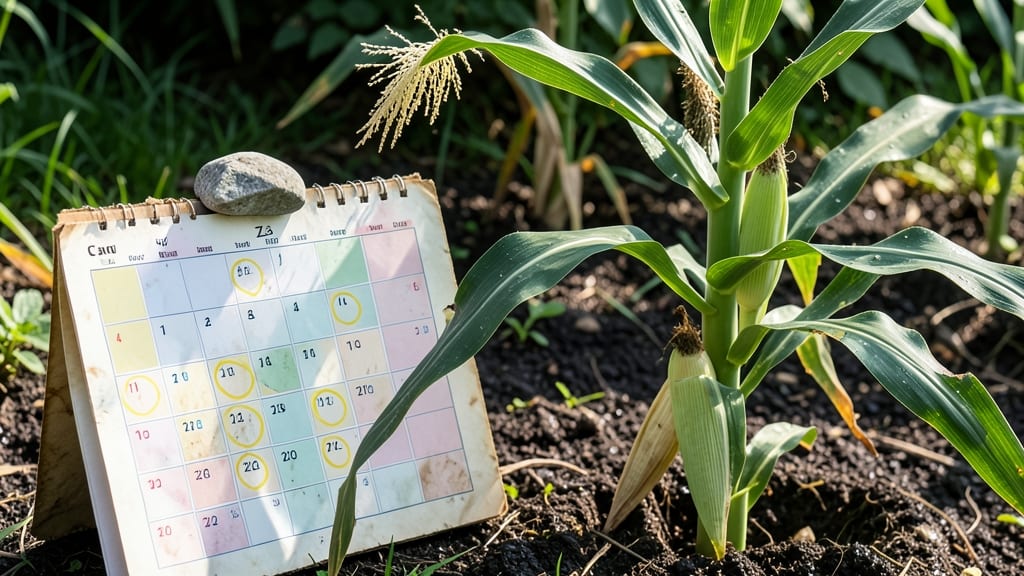
Understanding how long corn seeds last depends on how you store them. 🌽 The biggest threats are moisture and temperature fluctuations—even slight humidity spikes can trigger mold or rot. I've found that seeds kept in airtight containers with silica gel packets last significantly longer than those in open bags.
For maximum shelf life, aim for temperatures between 32–41°F and humidity below 10%, which mimics natural dormancy conditions.
Here's a pro tip: if you're saving seeds from your garden, harvest them when they're fully mature but still dry. Overripe kernels lose viability faster, while slightly underripe ones can sometimes last longer if stored properly.
Testing a small batch annually with the paper towel method gives you peace of mind before committing to a full planting.
💡 In This Article
- Factors Affecting Corn Seed Longevity
- Optimal Storage Methods for Corn Seeds
Factors affecting corn seed longevity
Corn seeds degrade primarily through moisture absorption and enzymatic activity, both of which accelerate when seeds are exposed to warm, humid conditions. At temperatures above 70°F, the metabolic processes inside seeds ramp up, causing them to consume their own stored energy reserves faster.
This is why seeds stored in a basement (50-60°F) typically last longer than those kept in a garage or attic where temperatures fluctuate.
Even a 5% increase in humidity can reduce viability by up to 20% annually, as excess moisture triggers mold growth and fungal infections that weaken the seed's inner structure.
The oxygen exposure also plays a critical role. Seeds need oxygen to respire, but too much accelerates aging. That's why vacuum-sealed containers preserve seeds better than open bags—reducing oxygen levels slows down the oxidation of fats and proteins inside the seed. Another key factor is seed maturity at harvest.
Kernels harvested too early contain higher moisture content (often 20-25%), which makes them more susceptible to spoilage. Conversely, fully mature kernels with 10-12% moisture store far longer because their metabolic activity is minimal. 🌾
Light exposure is another silent killer. Seeds stored in opaque containers or darkness maintain higher viability because light triggers the production of ethylene gas, a plant hormone that speeds up aging. This is why many seed banks use reflective, light-blocking materials.
Even indirect sunlight can reduce shelf life by 15-20% over a year. The combination of these factors explains why some seeds last only 1-2 years while others remain viable for 3+ years under ideal conditions.
One often-overlooked detail is the seed's genetic makeup. Hybrid corn varieties often have shorter shelf lives (typically 1-2 years) compared to heirloom or open-pollinated types, which can last 3-5 years when stored properly.
This is because hybrids are bred for specific traits like disease resistance or yield, which sometimes comes at the cost of longer-term storage stability. If you're saving seeds from your garden, heirloom varieties are your best bet for longevity.
To put this into perspective, imagine storing two batches of corn seeds side by side: one in a sealed glass jar with silica gel at 35°F and another in a paper bag on a kitchen counter.
After just 6 months, the counter-stored seeds might lose 30-40% of their germination rate, while the properly stored batch retains nearly all its viability. The difference comes down to controlling these four critical factors: moisture, temperature, oxygen, and light.
For gardeners, this means treating seed storage like a science experiment. Small adjustments—like swapping a cardboard box for a metal tin or adding a humidity indicator—can make a huge difference in how long your seeds stay ready for planting.
The effort pays off when you're ready to sow and find your seeds still sprouting strong. 💫