
Propagation
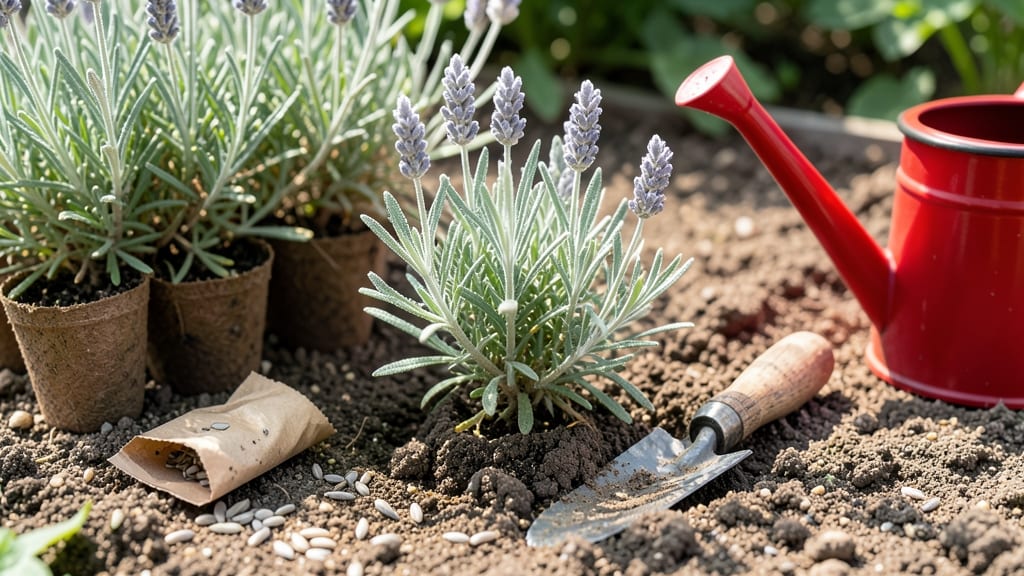
Growing lavender from seed outdoors means patience pays off with fragrant, drought-loving plants that thrive in your garden. 🌱 The key? Cold-strategies that trick seeds into germinating when they're ready—nature's way of ensuring survival.
My first attempt took three months to see sprouts, but now I know exactly how to speed it up without sacrificing hardiness. You'll need well-draining soil, a sunny spot, and a little winter magic—either a cold frame or outdoor planting in fall.
Lavender seeds need stratification: either a cold, moist period or direct fall sowing. The soil should stay slightly damp but never soggy, and full sun is non-negotiable for strong stems and that signature scent. Once sprouted, thin seedlings to 6-8 inches apart—crowding leads to weak, leggy plants.
The first year focuses on root growth, so resist the urge to fertilize. By year two, you'll have woody stems, silvery foliage, and clusters of purple blooms that hummingbirds adore. This method works best in zones 5-9, but even in colder areas, the cold-stratification trick ensures strong starts.
The biggest challenge? Slow germination—don't give up after 8 weeks. With the right approach, you'll have lavender that outlasts store-bought plants by years.
📚 In This Guide
- What you need
- Instructions
- Tips and common mistakes
- Wrapping up and next steps
What you need
- ● Lavender seeds: Choose cold-hardy varieties like Lavandula angustifolia (English lavender) or Lavandula x intermedia (hybrid lavender). Start with 1-2 packets (50-100 seeds) for a small patch.
- ● Seed-starting trays or pots: 4-6" deep with drainage holes (biodegradable pots work too!). Use 6-8 trays for better spacing.
- ● High-quality seed-starting mix: Lightweight, sterile, and well-draining (avoid garden soil—it’s too dense!). Aim for 2-3 cubic feet.
- ● Grow lights or a sunny windowsill: Lavender needs 12-16 hours of light daily. A LED grow light (20-30W) or a south-facing window suffices.
- ● Misting bottle or spray nozzle: For gentle watering—avoid soaking the seeds.
- ● Plastic wrap or humidity dome: To keep moisture levels high until germination (1-2 sheets or a clear lid).
- ● Refrigerator (for stratification): A zip-top bag and paper towels to chill seeds for 2-4 weeks.
- ● Heat mat: Keeps soil 60-70°F during germination (speeds up sprouting).
- ● pH test kit: Lavender thrives in neutral to slightly alkaline soil (6.5-7.5 pH).
- ● Fertilizer (low-nitrogen): A balanced 10-10-10 or 5-10-10 diluted to half-strength after seedlings emerge.
- ● Garden gloves: Protects hands from prickly stems (especially during transplanting).
- ● Label markers: To track seed varieties and planting dates!
Step-by-step instructions for growing lavender from seed outdoors
Here's my battle-tested method for starting lavender seeds in cold climates—no greenhouse needed.
🌱 Step 1: Stratify Seeds for Cold-Hardy Germination
Lavender seeds need cold stratification to break dormancy. Place seeds in a paper towel or moistened sand inside a sealed plastic bag, then refrigerate for 6-8 weeks. Check weekly—they should feel damp but not soggy. This mimics winter conditions and tricks seeds into thinking spring has arrived.
I label each bag with the date to avoid over-stratifying. If seeds sit too long, germination rates drop dramatically. Once 6 weeks pass, remove the bag and let it sit at room temperature for 24 hours before sowing. This final warm-up jumpstarts the process.
🪴 Step 2: Prepare Containers and Planting Medium
Use lightweight, well-draining soil—I mix 50% potting soil with 50% perlite to prevent compaction. Fill 4-inch deep containers (one per seedling) to 1 inch below the rim, leaving space for watering. Lavender hates soggy roots, so no garden soil—it compacts and suffocates delicate seedlings.
Tap the containers gently to settle the mix, then water until moisture reaches the bottom. The surface should feel damp but not wet. I add a slow-release fertilizer (like 5-10-5) to the soil mix—lavender thrives with steady nutrients but despises overfeeding.
☀️ Step 3: Sow Seeds and Provide Sheltered Light
Plant seeds ¼ inch deep—any deeper and they’ll struggle to break through. Space them 1 inch apart in the container. Mist the soil lightly with a spray bottle to avoid disturbing seeds. Place containers in a cool, bright location (like a north-facing window or under 50% shade cloth) for 4-6 weeks until seedlings emerge.
Lavender seedlings are slow to germinate—don’t rush it. If your home is below 65°F, germination may take 8-10 weeks. Once sprouts appear, move containers to full sun (6+ hours daily) but keep them sheltered from wind until roots establish.
⏰ Step 4: Harden Off and Transplant to Outdoor Beds
After 8-10 weeks, seedlings should have 2-3 true leaves. Begin hardening off by placing them outside in partial shade for 1 hour daily, gradually increasing time over 10 days. Lavender is drought-tolerant, but young plants need gentle watering—soak the soil until water runs out the bottom, then let it dry slightly before watering again.
Transplant to outdoor beds after the last frost, spacing plants 18-24 inches apart. Choose a south-facing slope or raised bed—lavender hates wet feet. Mulch lightly with gravel (not organic mulch) to improve drainage. The first year, water deeply once a week to encourage root growth.
✂️ Step 5: Prune and Maintain for Long-Term Health
Wait until spring of the second year to prune lavender. Cut back ⅓ of the plant’s height right after flowering to encourage bushier growth. Never prune in fall—this stresses the plant before winter. Deadhead spent blooms to redirect energy to root development.
Lavender thrives on neglect, but overwatering is its #1 killer. Once established, water only when the soil is bone-dry 2 inches down. In Zone 5 or colder, protect young plants with 2-3 inches of mulch around the base in winter. With patience, your seedlings will mature into fragrant, drought-resistant shrubs in 2-3 years.
Tips & tricks for growing hardy lavender from seed
These battle-tested strategies will help you navigate the quirks of growing lavender from seed in cold climates.
Stratification Precision: The 6-8 week cold stratification period is non-negotiable for breaking lavender seed dormancy, but timing matters. Place your seeds in the refrigerator on Day 1 of your preferred planting timeline—this ensures you'll be ready to sow when spring arrives. I've found that starting the 6-week count 6 weeks before your last frost date creates a perfect alignment with nature's schedule. Mark your calendar and set a reminder to remove seeds from cold storage exactly at the 6-week mark, then let them sit at room temperature for those crucial 24 hours before planting.
Soil Science: That 50/50 mix of potting soil and perlite isn't just arbitrary—it's about creating the perfect air-to-moisture ratio lavender craves. The perlite prevents compaction that would suffocate delicate roots, while the potting soil provides essential nutrients. Pro tip: Add ¼ inch of coarse sand to the bottom of your containers before adding the soil mix. This creates a drainage layer that prevents water from pooling at the roots, which is especially important during the first 4-6 weeks when seedlings are most vulnerable to rot.
Germination Patience: Lavender seeds are notorious for their slow germination, and that 4-6 week window can feel like an eternity. Here's what I do to stay sane: Place containers in a warm spot (like on top of the fridge) during the day when temperatures dip below 65°F—this subtle warmth can help coax seeds along. Also, use clear containers so you can easily spot the first tiny sprouts without disturbing the soil. Once you see those first 2-3 true leaves after 8-10 weeks, you'll know your patience paid off.
Transplanting Strategy: When it's finally time to move your seedlings outdoors after the last frost, don't rush the hardening off process. Start with just 1 hour of partial shade exposure and gradually increase by 30 minutes daily over those 10 days. I've seen many gardeners skip this step and end up with stressed plants that struggle to adapt. Another key: Transplant on an overcast day or in the late afternoon when the sun is less intense. This gives your seedlings time to adjust without immediate sun stress.
Pro Tips for Growing Lavender From Seed Outdoors
- These battle-tested strategies will help you navigate the quirks of growing lavender from seed in cold climates.
- Stratification Precision: The 6-8 week cold stratification period is non-negotiable for breaking lavender seed dormancy, but timing matters.
- Soil Science: That 50/50 mix of potting soil and perlite isn't just arbitrary—it's about creating the perfect air-to-moisture ratio lavender craves.
Frequently asked questions
Got questions about growing lavender from seed outdoors? You’re not alone—this fragrant beauty can be tricky for beginners! Here are answers to the most common concerns to help you succeed.
How long does it take for lavender seeds to germinate?
Patience is key! Lavender seeds can take anywhere from 2 weeks to 6 months to sprout, depending on temperature and moisture. Cold-stratification (like the methods in this guide) speeds things up—aim for germination in 4–12 weeks with proper care. Thin seedlings early to avoid overcrowding.
Can I plant lavender seeds directly outdoors in winter?
Yes, but with caution! Lavender thrives in cold climates, but fresh seeds need stratification (chilling) first. If planting outdoors in winter, sow seeds in well-draining soil and cover lightly with mulch. Avoid waterlogging—lavender hates soggy roots. Start seeds indoors earlier (fall) for better success.
Why aren’t my lavender seedlings growing? Troubleshooting tips.
Slow or stunted growth? Check these fixes:
- Light: Lavender needs full sun (6+ hours/day). Move seedlings to a sunny spot or use grow lights.
- Soil: Ensure sandy, alkaline soil (pH 6.5–7.5). Amend clay soil with perlite or grit.
- Water: Overwatering kills lavender! Water only when soil is completely dry—drought-tolerant once established.
- Pests: Watch for aphids or spider mites. Spray with neem oil if needed.
What’s the best lavender variety for cold climates?
Not all lavender loves the chill! Opt for hardy varieties like:
- English Lavender (Lavandula angustifolia) – Cold-hardy to Zone 5; classic scent.
- Grosso Lavender – Thrives in Zones 5–9; drought-resistant.
- Munstead Lavender – Compact and winter-hardy (Zone 5).
Can I grow lavender from cuttings instead of seeds?
Cuttings are easier and faster than seeds. Take 3–4 inch cuttings from healthy stems in late spring/early summer, dip in rooting hormone, and plant in sandy soil. Keep moist (not soggy) and root in 4–6 weeks. Cuttings retain the parent plant’s traits—perfect for propagating your favorite variety!
Wrapping up and next steps
Growing lavender from seed outdoors is a rewarding journey that blends patience with the joy of nurturing fragrant blooms! 🌱 With the right cold-strategies—like stratification, proper spacing, and well-draining soil—you can cultivate hardy plants that thrive in your garden.
Whether you’re drawn to the calming scent or the beauty of purple spikes, remember: every tiny seed has the potential to become a resilient, aromatic masterpiece.
Ready to take the next step? Start small—plant a few seeds this season and watch your lavender garden grow! Once your seedlings are established, explore expanding your collection or sharing cuttings with fellow gardening enthusiasts. Happy planting! 🌿