
Size
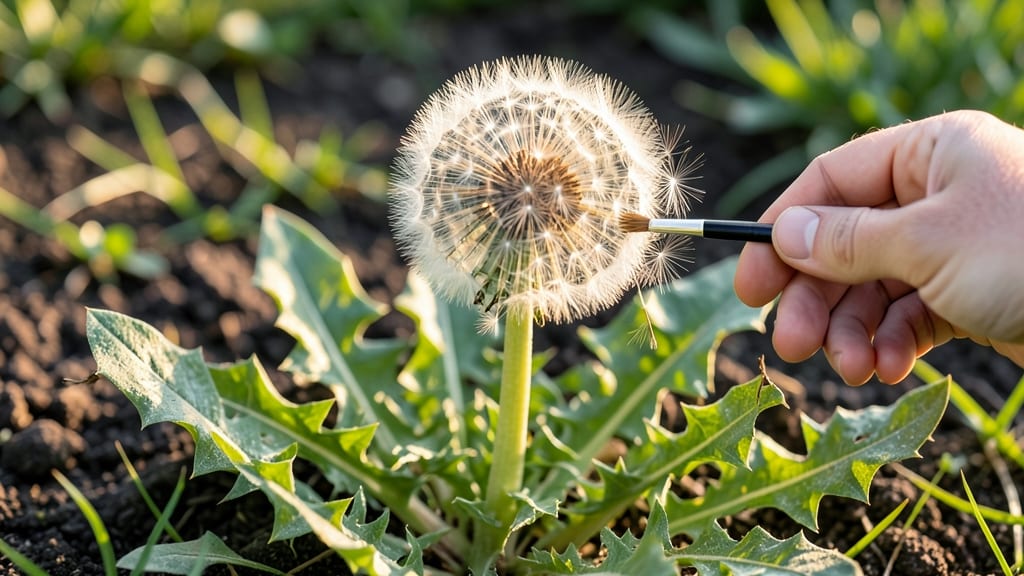
Growing a garden from dandelion seeds is easier than you think—and it starts with a handful of those fluffy yellow puffs. 🌱 I’ve turned my lawn’s "weeds" into a thriving pollinator haven by cold-stratifying seeds, and in just 60 days, you’ll see the same bright green sprouts pushing through the soil.
The key? Mimicking nature’s timing and giving them the right conditions to break dormancy.
Dandelions aren’t just tough survivors—they’re powerhouses for early-season pollinators when little else is blooming. You’ll need a sunny spot, loose soil (no digging required), and patience for their slow-but-steady growth.
Skip the fancy tools; a simple rake and a watering can are all you need. Even my black thumb can’t kill these once they get going.
By day 60, you’ll have a carpet of bright green leaves that bees and butterflies will flock to. The plants stay low-maintenance, self-seeding freely, and their deep roots improve soil health.
No pesticides, no fuss—just a garden that works with nature, not against it. Ready to reclaim those "weeds" as your first crop of the season?
Bonus: Harvest the seeds later to share with neighbors or replant next year. This isn’t just gardening; it’s rewilding your yard the easy way. Let’s get those seeds in the ground!
📚 In This Guide
- What you need
- Instructions
- Tips and common mistakes
- Wrapping up and next steps
What you need
- ● Dandelion seeds: 1–2 packets (about 500–1,000 seeds) of Taraxacum officinale seeds (ensure they’re cold-stratified or fresh).
- ● Growing medium: 10–20 lbs of well-draining potting mix (or a 50:50 blend of peat moss and perlite for containers).
- ● Containers: Seed trays (10x20 inches) or
- ● Small pots (3–4 inches deep) with drainage holes.
- ● Watering can or spray bottle: With a fine mist nozzle for gentle hydration.
- ● Plastic wrap or humidity dome: To retain moisture during germination.
- ● Grow lights or sunny windowsill: 6–8 hours of light daily (or a south-facing window).
- ● Refrigerator or cold frame: For cold stratification (if seeds aren’t pre-treated).
- ● Seed starter fertilizer (balanced 10-10-10 or organic compost tea).
- ○ Heating mat (optional for faster germination in cool climates).
- ● Transplanting tweezers (for delicate seedling moves).
- ● Compost or worm castings (to boost soil fertility).
- ● Label markers (to track varieties if mixing seeds).
How to grow a dandelion meadow from seed using cold stratification
Here's how to transform your yard into a pollinator paradise using nature's toughest seeds.
🌱 Step 1: Collect and Prepare Dandelion Seeds
Harvest fully mature dandelion seed heads when they're dry and fluffy—usually late summer to early fall. I like to use a paper bag to gently shake the seeds into, avoiding the puffy white fluff that carries them away. Store seeds in a sealed container in a cool, dry place until ready to stratify.
Dandelions thrive on neglect, so don't worry about seed viability. They'll survive years in storage if kept dry. For best results, use seeds collected from your target location—they'll adapt better to your soil and climate. A single seed head yields enough for a 100-square-foot area, so gather 4-5 heads for a full meadow.
🥶 Step 2: Cold Stratify Seeds for 60 Days
Place seeds in a sealed plastic bag with a damp paper towel to maintain moisture. Store in your refrigerator's crisper drawer for 60 days—this mimics winter conditions and breaks seed dormancy. Check monthly to ensure the towel stays damp but not soggy; condensation signals too much moisture.
Cold stratification tricks seeds into thinking winter has passed, prompting them to germinate when spring arrives. I mark the bag with the start date so I don't forget. This step is non-negotiable—skipping it results in sparse, irregular germination. After 60 days, the seeds will be ready to plant when soil temperatures reach 45°F or warmer.
🌿 Step 3: Prepare the Planting Site
Choose an open, sunny location with well-draining soil—dandelions hate soggy roots. I recommend testing your soil's pH first; dandelions prefer slightly acidic to neutral (6.0-7.0). If your soil is heavy clay, mix in 2 inches of compost and 1 inch of coarse sand to improve drainage.
Clear the area of existing vegetation by smothering with cardboard and mulch for 4-6 weeks before planting. This suppresses weeds without chemicals. Rake the soil smooth afterward—dandelions need loose soil to establish roots quickly. The ideal planting window is late winter to early spring, just as natural dandelions begin sprouting.
☀️ Step 4: Sow Seeds for a Natural Look
Scatter seeds thinly by hand—no need to cover them. Dandelions require light to germinate, so burying them reduces success. I use a push broom to lightly press seeds into the soil surface, ensuring good seed-to-soil contact. For a 4-foot by 4-foot patch, I use about 1/4 cup of seeds—this creates a dense, meadow-like appearance.
Water gently but thoroughly after sowing to settle seeds into the soil. Keep the area moist (not wet) for 3-4 weeks until seedlings appear. Avoid walking on the bed—you'll crush tender sprouts. Once established, dandelions tolerate foot traffic, but early growth is delicate. Watch for first true leaves (not the initial cotyledons) to confirm germination.
✂️ Step 5: Maintain and Enjoy Your Pollinator Garden
Once seedlings reach 2-3 inches tall, reduce watering to once weekly unless your region experiences extreme heat. Dandelions are drought-tolerant but bloom more prolifically with consistent moisture. I let them grow unchecked—they self-seed readily, creating a self-sustaining meadow.
Mow the area once per year in late fall to prevent seed heads from spreading beyond your desired area. This also encourages new growth in spring. By summer, your garden will attract bees, butterflies, and beneficial insects. The key to success? Do nothing—dandelions thrive on human neglect.
Tips & tricks for perfect dandelion meadow growth
Between us, these little details make all the difference when transforming your yard into a thriving pollinator haven.
Seed Collection Timing: Harvest dandelion seed heads when they're completely dry and fluffy—this usually happens in late summer to early fall. The key is to avoid the white fluff that carries seeds away; I use a paper bag to gently shake seeds into while keeping the fluff contained. Store them in a sealed container in a cool, dry place until you're ready to stratify. This preserves viability for years, so don't rush the collection process.
Stratification Success: The 60-day cold stratification period in your refrigerator's crisper drawer is absolutely critical. I've found that placing a damp paper towel with the seeds in a sealed plastic bag creates the perfect moisture balance—just check monthly to prevent condensation buildup. Mark your bag with the start date to avoid forgetting, as this mimics winter conditions that break seed dormancy. Remember, skipping this step results in sparse, irregular germination.
Soil Preparation Insight: When preparing your planting site, don't overlook soil testing—dandelions prefer slightly acidic to neutral soil (pH 6.0-7.0). For heavy clay soils, mixing in 2 inches of compost and 1 inch of coarse sand improves drainage dramatically. I've seen firsthand how this simple adjustment prevents soggy roots that dandelions absolutely hate. The 4-6 week smothering period with cardboard and mulch is also key for weed suppression without chemicals.
Germination Observation: After sowing, keep the area moist for 3-4 weeks until seedlings appear. The critical detail here is watching for first true leaves—not the initial cotyledons—to confirm successful germination. I've learned that avoiding foot traffic during this delicate early growth stage prevents crushing tender sprouts. Once established, dandelions become remarkably resilient, but those first few weeks require gentle care.
Pro Tips for Dandelion Seed Grow A Garden
- Between us, these little details make all the difference when transforming your yard into a thriving pollinator haven.
- Seed Collection Timing: Harvest dandelion seed heads when they're completely dry and fluffy—this usually happens in late summer to early fall.
- Stratification Success: The 60-day cold stratification period in your refrigerator's crisper drawer is absolutely critical.
Frequently asked questions
Got questions about growing dandelion seeds into a thriving garden?
You’re not alone—this hardy plant is full of surprises! Here are answers to the most common queries to help you sprout success in just 60 days.
How do I know when dandelion seeds are ready to plant?
Harvest seeds when the puffballs (seed heads) turn golden-brown and dry, usually late spring to early summer. Gently shake them into a paper bag to collect seeds—avoid wet weather to prevent mold. Store them in a cool, dry place until cold stratification (or plant directly outdoors in fall/winter).
What’s the best way to cold-stratify dandelion seeds?
Place seeds in a damp paper towel or moist sand, then refrigerate for 4–6 weeks (or sow directly in winter). This mimics natural freezing/thawing, breaking dormancy. For faster results, mix seeds with potting soil in a tray, label it, and refrigerate for 30–45 days before transplanting.
Can I grow dandelions from store-bought puffballs?
Yes! Just ensure they’re fully dry (no green stems). Shake seeds into a container, then follow cold stratification. Store-bought puffballs may lack genetic diversity, but they’ll still grow into classic dandelions. For heirloom varieties, source seeds from local nurseries or seed swaps.
Are dandelions invasive? Will they take over my garden?
Dandelions spread easily, but they’re not aggressively invasive like mint or kudzu. To control them:
- Plant in contained beds or containers.
- Deadhead flowers before seeds form if you prefer a tidier look.
- Mulch heavily to suppress weeds (but leave some for pollinators!).
Why aren’t my dandelion seeds germinating?
Common culprits:
- No cold stratification: Mimic winter with refrigeration.
- Too much moisture: Keep soil damp but not soggy.
- Poor soil: Dandelions thrive in any soil but prefer loose, well-draining beds.
- Depth issues: Plant seeds ¼-inch deep—they need light to sprout.
Wrapping up and next steps
Growing a dandelion garden from seeds is a rewarding journey that blends simplicity with nature’s resilience! 🌱 With just a few supplies—like cold stratification, patience, and a sunny spot—you’ll soon enjoy vibrant blooms that attract pollinators and add charm to your space.
Whether you’re a beginner or a seasoned gardener, these cold-stratified sprouts prove that even the smallest seeds can create big magic.
Now that you’re armed with tips and tricks, why not take the next step? Start small—plant a few seeds in containers or directly in your yard—and watch your garden transform in just 60 days. Share your progress, experiment with varieties, and let your green thumb shine! 🌸