
Advice
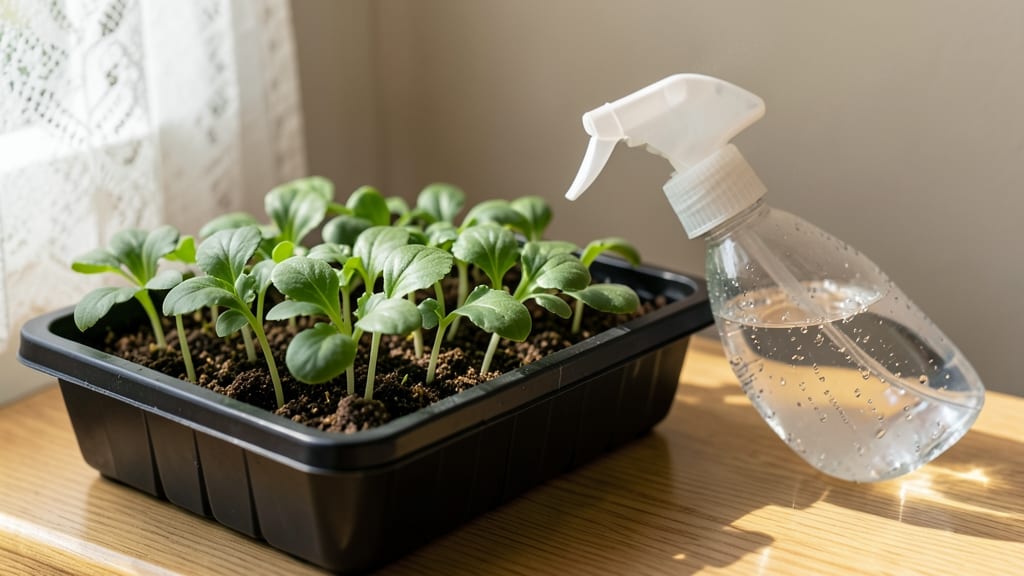
Yes, seeds can be frozen to extend their shelf life, but success depends on proper drying, moisture control, and storage conditions. Most varieties maintain viability for 1–5 years when stored in airtight containers with desiccant packets.
Freezing works because ultra-low temperatures halt biological processes that degrade seeds over time. 🌱 The key is reducing moisture content to below 5% before storage—this prevents ice crystal formation that could damage delicate seed structures.
I always recommend testing a small batch first, as some seeds like lettuce or onions degrade faster than hardy varieties like beans or peas, even under ideal conditions.
For best results, use airtight containers with silica gel packets or uncooked rice to absorb any remaining humidity. Label everything with the seed type and date, then store in the coldest part of your freezer (-10°F or lower).
When ready to use, thaw seeds overnight in the fridge rather than at room temperature to prevent condensation buildup.
💡 In This Article
- How Freezing Affects Seed Viability Over Time
- Step-by-Step Guide to Freezing Seeds for Maximum Longevity
How freezing affects seed viability over time
The science behind seed freezing revolves around two critical factors: moisture content and metabolic activity. When seeds are exposed to temperatures below -10°F, their cellular metabolism virtually halts, slowing down the natural aging process that would otherwise degrade their viability.
This is why seeds stored at these ultra-low temperatures can remain dormant for years without losing their ability to germinate. The key is that water within the seeds forms ice crystals, which prevents enzymatic reactions that break down essential components like proteins and lipids.
Moisture is the silent enemy of long-term seed storage. Seeds with moisture levels above 5% are at risk of developing ice crystals that pierce cell membranes, causing irreversible damage. For example, lettuce seeds—already sensitive to moisture—often lose viability within 1-2 years of freezing if not properly dried beforehand.
In contrast, hardy seeds like beans or peas can maintain viability for 5+ years when stored at -10°F with moisture levels below 5%. The difference lies in their natural resistance to cellular damage during freezing.
Temperature fluctuations are another critical factor. Even within a freezer, small variations can accelerate seed degradation. The coldest part of your freezer (typically the back of the bottom shelf) is ideal because it maintains the most consistent temperature.
For comparison, seeds stored at 32°F (like in a refrigerator) degrade 10x faster than those at -10°F. This is why professional seed banks use liquid nitrogen storage (-320°F) for ultra-long-term preservation—it eliminates any risk of metabolic activity entirely.
Seed type also plays a huge role in how well freezing works. Soft-seeded varieties like tomatoes or peppers are more susceptible to freeze damage because their cell walls are thinner and more fragile.
On the other hand, seeds with thick, protective coatings—such as those from corn or wheat—tend to survive freezing much better.
Even within the same plant family, there can be dramatic differences: for instance, onion seeds often lose viability within 6 months of freezing, while garlic seeds can last 3+ years under identical conditions.
One fascinating aspect is how freezing actually preserves some seeds better than room-temperature storage. At room temperature, seeds slowly lose viability due to oxidation and microbial activity. But in a freezer, these processes are paused indefinitely—until you reintroduce the seeds to warmer conditions.
This is why many heirloom seed savers rely on freezing as their primary long-term storage method, especially for rare or genetically unique varieties they want to preserve for future generations.
To test whether your frozen seeds are still viable, perform a simple germination test: place a small sample between damp paper towels in a sealed container at 70°F for 7-10 days.
If 80% or more of the seeds sprout, they're ready to plant. This test gives you a concrete way to measure the effectiveness of your freezing method over time.