
Size
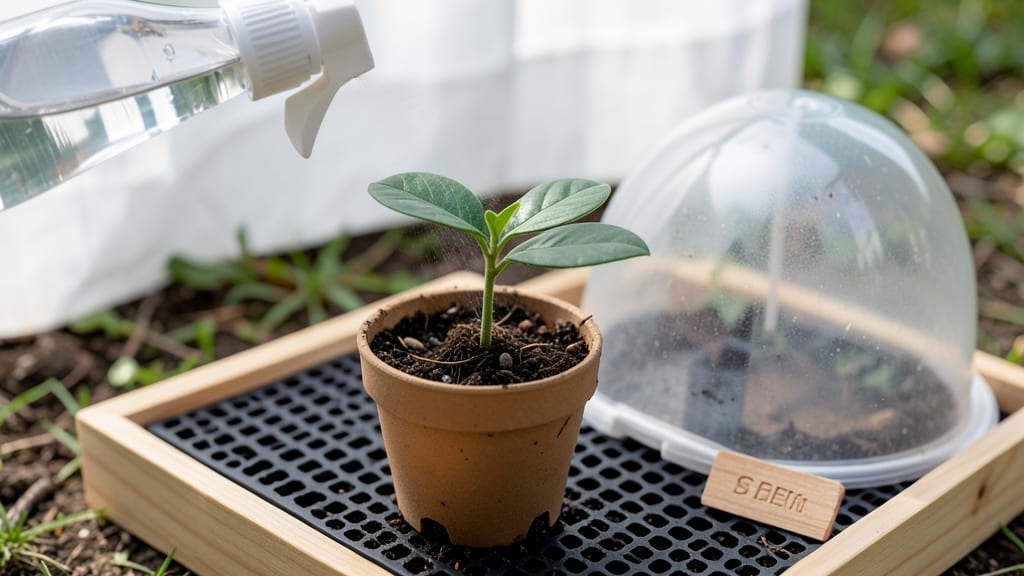
Growing cacao from seed turns your garden into a chocolate factory. 🌱 The key is patience—these tropical trees take years to bear pods, but the journey starts with the right soil mix, humidity control, and a spot that mimics their native rainforest home.
I learned this the hard way after my first batch of seeds sprouted but wilted when I ignored their need for consistent warmth.
You’ll need a humidity dome (a plastic bag over a seed tray works), well-draining potting mix (50% peat moss, 30% perlite, 20% compost), and a warm spot (75–85°F) to keep them cozy. Germination takes 2–4 weeks, but don’t give up if nothing happens—some seeds play hard to get.
Once they crack through the soil, move them to bright, indirect light to prevent leggy seedlings. By year two, you’ll have sturdy saplings ready for transplanting into larger pots or garden beds.
With proper care—daily misting, monthly fertilizer, and pruning to encourage branching—you’ll see your first cacao pods in 3–5 years. The smell of ripe pods is unmistakable: sweet, earthy, and impossible to ignore. This method works for small gardens, containers, or even greenhouses.
Just remember: cacao loves heat, so if you’re in a cooler climate, treat them like indoor plants until they’re established. Now, let’s get those seeds sprouting!
📚 In This Guide
- What you need
- Instructions
- Tips and common mistakes
- Wrapping up and next steps
What you need
- ● Cacao seeds: 5–10 fresh, fermented, and dried cacao beans (ensure they’re from high-quality, organic sources for best results).
- ● Growing containers: 2–3 small pots (4–6 inches in diameter) for seed germination.
- ● 1–2 larger pots (12+ inches in diameter) or garden beds for mature plants (well-draining soil is a must!).
- ● Potting mix: 3–5 gallons of a well-draining, slightly acidic mix (pH 5.5–6.5). Combine: 60% coco coir or peat moss.
- ● 30% perlite or vermiculite (for aeration).
- ● 10% worm castings or compost (for nutrients).
- ● Tools: Small hand trowel or spoon (for planting seeds).
- ● Spray bottle (for gentle watering).
- ● Humidity dome or plastic wrap (to retain moisture during germination).
- ● Pruning shears (for future maintenance).
- ● Fertilizer: A balanced, organic fertilizer (e.g., fish emulsion or compost tea) for young plants.
- ● Shade cloth: 30–50% coverage (cacao thrives in dappled shade).
- ● Watering can or hose with a gentle spray nozzle.
- ● Grow lights: LED or fluorescent bulbs (if indoor germination is needed).
- ● Soil pH tester: To monitor and adjust acidity levels.
- ● Mulch (wood chips or straw): To retain moisture and regulate soil temperature.
- ● Pollination tools: A small brush (if cross-pollination is needed for pod production).
- ● Journal or app: To track growth stages, watering schedules, and plant health.
Step-by-Step guide to growing cacao from seed in your garden
Here's how to cultivate cacao trees from seed—transforming those prized beans into thriving plants.
🌱 Step 1: Prepare and Plant the Seeds
Cacao seeds need warmth and moisture to germinate, so start indoors using a seed-starting mix in 4-inch pots. Plant each seed about ½ inch deep—just enough to cover it lightly. I like to use a small container with drainage holes to prevent rot. Place the pots in a warm, humid environment (around 80-85°F) to encourage germination.
Keep the soil consistently moist but never soggy—think of it as damp like a wrung-out sponge. You'll see sprouts in 1-3 weeks, depending on seed freshness. Real talk: if your seeds are older than a year, germination may take longer or be spotty. That's why I always source fresh seeds from trusted suppliers.
💧 Step 2: Maintain Ideal Growing Conditions
Once your cacao seedlings emerge, move them to a location with bright, indirect light—direct sun can scorch tender leaves. A grow light set to 12-14 hours daily works perfectly if natural light is insufficient. Keep the humidity high by placing a tray of water nearby or using a humidity dome until the seedlings are 4-6 inches tall.
Water gently at the base of the plant, avoiding the leaves to prevent fungal diseases. You'll notice new leaves forming as the plant grows—this is your cue that it's thriving. At this stage, fertilize lightly with a balanced, water-soluble fertilizer (like 10-10-10) diluted to half strength every 2-3 weeks. Over-fertilizing can burn the delicate roots.
☀️ Step 3: Transition to Outdoor Conditions
After 3-4 months, when your cacao seedlings have 5-6 leaves, they're ready for outdoor acclimation. Start by placing them in a sheltered, shaded spot for a few hours daily, gradually increasing exposure over 2-3 weeks. This process, called hardening off, helps them adjust to outdoor conditions without shock.
Choose a planting location with partial shade (they tolerate 4-6 hours of morning sun) and well-draining, slightly acidic soil (pH 5.5-6.5). Cacao trees thrive in tropical or subtropical climates with 70-85°F temperatures year-round. If you live in a cooler zone, grow them in containers and bring them indoors during winter. You'll see stronger growth when the plants adapt to their new environment.
🪴 Step 4: Plant and Support Long-Term Growth
Plant your seedlings 12-18 inches apart in a sun-dappled garden bed or large container. Dig a hole twice as wide as the root ball but no deeper. Gently remove the seedling, place it in the hole, and backfill with soil, pressing lightly to eliminate air pockets. Water deeply to settle the soil and encourage root establishment.
Cacao trees need consistent moisture—water deeply 2-3 times per week during the growing season, ensuring the soil stays evenly moist but not waterlogged. Mulch around the base with 2-3 inches of organic mulch (like shredded bark) to retain moisture and regulate soil temperature. Prune any yellow or damaged leaves promptly to keep the plant healthy. With patience, your cacao trees will eventually produce pods in 3-5 years.
Tips & tricks for growing cacao from seed
Here's what nobody tells you about nurturing cacao from seed to harvest—these tricks save time and frustration.
The Humidity Factor: In Step 1, if your germination area feels dry, place a shallow tray of water near the pots or cover them loosely with plastic wrap. This mimics the tropical humidity cacao craves, cutting germination time from 3 weeks to just 10-14 days. Just remember to remove the wrap once sprouts appear to prevent mold.
Lighting Secret: During Step 2, if natural light is insufficient, use a full-spectrum grow light positioned 6-12 inches above seedlings for those critical 12-14 hours daily. LED grow lights are energy-efficient and won't overheat like incandescent bulbs. Watch for leaves stretching toward light—this means they need more exposure.
Soil Science: For Step 4 planting, mix your garden soil with 20% perlite or coconut coir to improve drainage. Cacao roots hate soggy conditions, and this blend prevents waterlogging while maintaining that slightly acidic pH of 5.5-6.5. Test your soil's pH before planting—adjust with sulfur if needed, as cacao is sensitive to alkaline soils.
Hardening Off Hack: When transitioning outdoors in Step 3, start with just 1 hour of morning sun on day one, then gradually increase by 1 hour daily. This slow acclimation prevents shock—you'll see the seedlings perk up noticeably as they adapt. Skip this step, and you risk leaf scorch or stunted growth.
Pro Tips for Cacao Seed Grow A Garden
- Here's what nobody tells you about nurturing cacao from seed to harvest—these tricks save time and frustration.
- The Humidity Factor: In Step 1, if your germination area feels dry, place a shallow tray of water near the pots or cover them loosely with plastic wrap.
- Lighting Secret: During Step 2, if natural light is insufficient, use a full-spectrum grow light positioned 6-12 inches above seedlings for those critical 12-14 hours daily.
Frequently asked questions
Got questions about growing cacao from seeds? You’re not alone—this tropical treasure takes patience and care! Below, we tackle the most common curiosities to help you avoid pitfalls and nurture thriving cacao plants.
How long does it take for cacao seeds to sprout and bear pods?
Cacao seeds typically sprout within 1–3 weeks if kept moist and warm (70–85°F). However, don’t expect pods for 3–5 years—this slow-growing tree rewards long-term gardeners! Young plants focus on root and leaf growth before flowering. Pro tip: Use a humidity dome or plastic wrap to speed up germination.
Can I grow cacao seeds indoors, or do they need a greenhouse?
While cacao thrives in tropical climates (Zone 10–12), you can start seeds indoors in pots with a grow light. Seedlings need 6+ hours of sunlight daily and high humidity. Once established, transplant outdoors after the last frost or in a greenhouse. Warning: Cacao hates cold—keep temps above 50°F to avoid shock.
What’s the best soil mix for cacao seeds, and where should I plant them?
Cacao loves well-draining, slightly acidic soil (pH 5.0–6.5). Mix 2 parts peat moss, 1 part perlite, and 1 part compost for ideal conditions. Plant seeds ½-inch deep in a warm, shaded spot (like under a tree) until seedlings are 6 inches tall. Alternative: Use coconut coir for moisture retention in humid climates.
Why are my cacao seedlings wilting or turning yellow?
Yellowing leaves or wilting often signal overwatering, root rot, or nutrient deficiency. Let the top inch of soil dry between waterings, and ensure pots have drainage holes. Troubleshoot: If roots smell sour, repot in fresh soil. Yellow edges? Boost magnesium with Epsom salt (1 tsp/gallon of water).
Will cacao pods grown from seed taste like store-bought chocolate?
Probably not! Seeds from grocery-store chocolate are hybridized for sweetness and won’t replicate the same flavor. For true cacao taste, source seeds from heirloom or Criollo varieties (like those used in single-origin chocolate). Fun fact: Fermenting and roasting pods before processing unlocks deeper flavors—experiment!
Wrapping up and next steps
Growing cacao seeds into a thriving garden is a rewarding journey that connects you to nature—and delicious, homegrown pods! 🌱 With the right patience, care, and a few key strategies, you can enjoy year-round viable cacao harvests while creating a lush, sustainable space.
Whether you’re a beginner or a seasoned gardener, every seed planted is a step toward a richer, more flavorful future.
Ready to take the next step? Start small—plant a few seeds, monitor their progress, and gradually expand your garden. Share your experiences or tips with fellow cacao enthusiasts, and soon, you’ll be savoring the fruits (and pods!) of your labor. Happy growing! 🌟